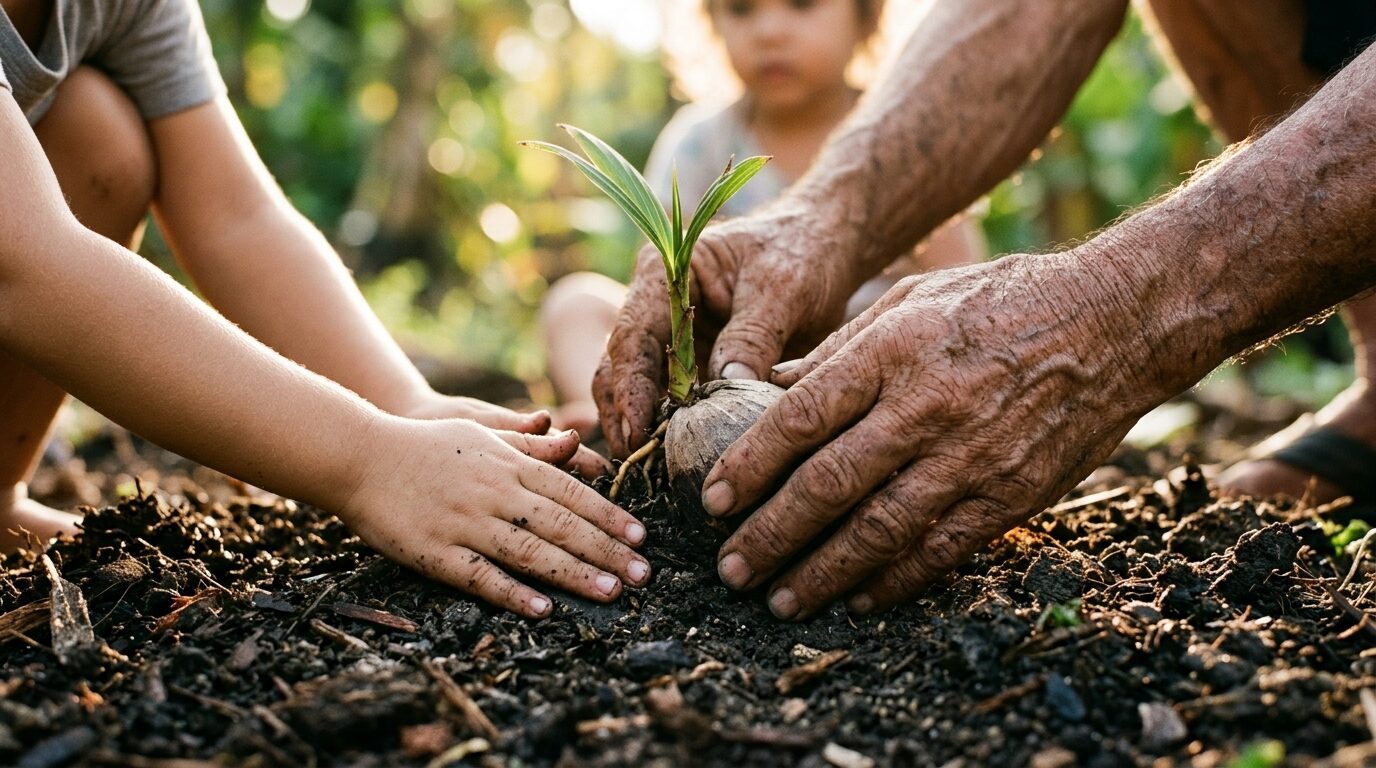
We design places and operations to use land, water, energy, and materials responsibly while improving long-term resilience.
Sustainability is considered from site selection and design through construction, operations, and community engagement.
We believe responsible development should protect natural systems, reduce waste, and leave places stronger than we found them.
Plan and manage land to balance development, open space, community needs, and long-term environmental value.
Improve the use of energy, materials, water, mobility, and shared infrastructure.
Conserve, recycle, and protect water resources across estates and operating sites.
Recover value from waste and keep materials in productive use through the ROBIN Project.
Pursue energy efficiency, renewable-energy integration, and lower-emission systems where technically and commercially viable.
Protect and enhance green space, natural character, and ecological resilience in appropriate locations.
We seek to create shared value through healthier places, dignified work, inclusive opportunity, and stronger communities.
Create environments that support well-being, healthy aging, safety, belonging, and quality of life through platforms like AIJŌ Estates.
Create stable, productive work and contribute to local economic activity.
Build capabilities, support local enterprise, and connect people to markets and opportunity through Humanitas Livelihood.
Support initiatives that improve access to health information, early intervention, nutrition, and community wellness.
Invest in the knowledge and capabilities required for meaningful work and long-term self-reliance.
Design programs with communities and institutions around local priorities and measurable outcomes.
Maintain environments in which health, safety, respect, and employee well-being are fundamental.
Strong governance protects people, capital, reputation, and long-term value.
Uphold integrity in every business relationship and decision.
Maintain objective review, constructive challenge, and accountability.
Allocate and release capital through clear priorities, stage gates, controls, and performance evidence.
Meet applicable legal, regulatory, environmental, planning, health, safety, and industry obligations.
Communicate clearly, accurately, and responsibly.
Identify, evaluate, and manage development, operational, financial, environmental, and social risks with discipline.
Measure decisions against enduring stakeholder value and measurable impact.
Listen to and engage residents, communities, employees, partners, regulators, and other affected stakeholders.